Ask anyone who has worked a busy loading dock and they’ll tell you the same thing: measuring pallets by hand eats time. A tape measure, a clipboard, a number scribbled down and typed in later. Multiply that by a few hundred pallets a day and the delays add up fast.
Automated dimensioning fixes this at the source. Instead of guessing or re-measuring, your team gets accurate size data the moment freight arrives. That helps everyone downstream, from the warehouse manager to the dispatcher to the carrier.
Keeping the Dock Moving
When pallets pile up waiting to be measured, the dock backs up. Trucks wait, drivers get frustrated, and your team starts cutting corners just to keep pace.
A dimensioning scanner captures length, width and height in a few seconds. Receiving gets quicker, bays clear sooner, and goods keep flowing through the building instead of stalling at the door. It’s also safer, since fewer people are climbing around pallets with tape measures.
Fewer Fights with Carriers
Carriers bill on dimensions, and when your numbers don’t match theirs, you get an invoice adjustment. Sometimes it’s small. Sometimes it isn’t. Either way, someone has to spend hours arguing over it.
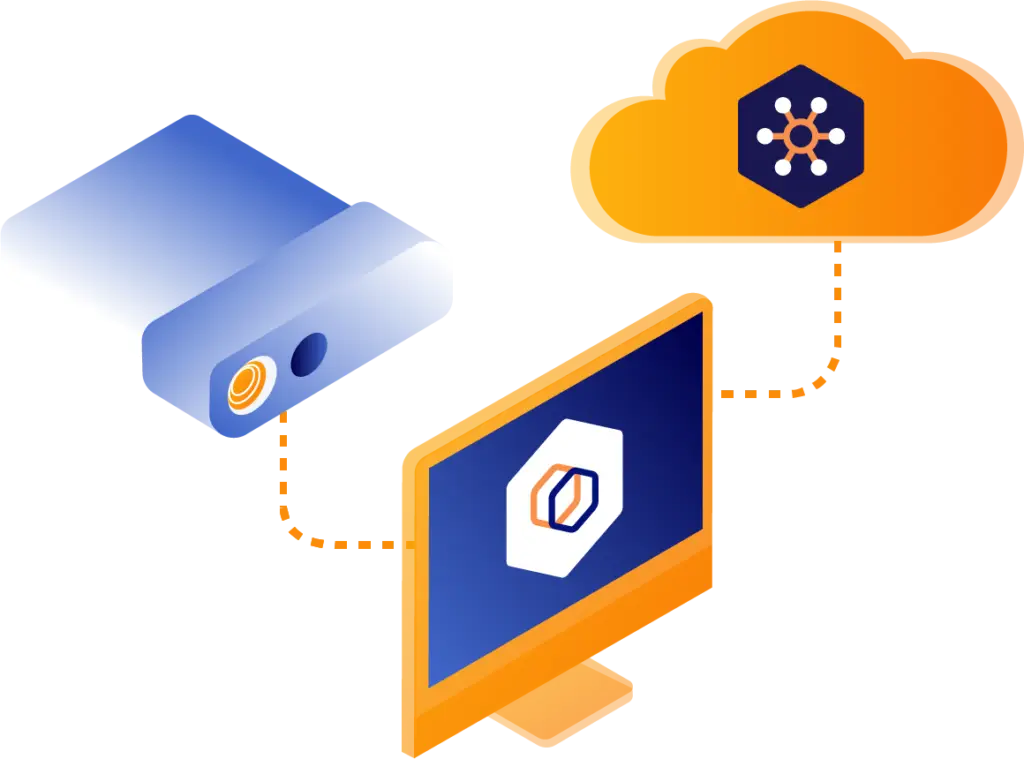
Accurate, documented measurements take most of that away. When you can show exactly how a shipment was measured, disputes get shorter and chargebacks get rarer. Over time, that builds real trust with your carriers. If the data is also pushed to a cloud platform, anyone on your team can pull it up when a question comes in.
Fuller Trailers, Lower Costs
You can’t pack a trailer well if you don’t know what’s going into it. Rough estimates leave gaps, and gaps mean wasted space and extra trips.
With exact dimensions for every package, load planners can build tighter loads and use fewer trucks to move the same freight. That means less fuel burned and lower transport costs, and it shrinks your carbon footprint as a bonus. Few sustainability changes pay for themselves this directly.
What You Actually Gain
- Dimensions captured right on the warehouse floor, in seconds
- Data you can reach from anywhere through the cloud
- Fewer chargebacks and billing disputes
Putting It Into Your Daily Routine
You don’t need to redesign your operation. A simple routine is enough:
- Scan cargo as soon as it arrives at the dock gate.
- Send the records straight to your cloud software, with no retyping.
- Use those measurements to plan how trailers get loaded.
Why the Cloud Side Matters
The scanner is only half the story. Cloud software collects the dimension data from every site in one place, so directors can see what’s happening across multiple facilities without calling each one. It also lets you check equipment health and handle maintenance remotely, which keeps your scanners running instead of sitting broken at the dock.
When decisions depend on real numbers instead of guesses, they get easier to make.
Final Thoughts
Freight management comes down to speed, accuracy and visibility. Automated dimensioning gives you all three: no more measurement bottlenecks, fewer arguments over invoices, and a clearer picture of what’s moving through your network. If manual measuring is still slowing your dock down, this is a good place to start.
Frequently Asked Questions
Why is cargo dimensioning important for freight management?
It gives you fast, Cargo dimensioning accurate size data without manual errors. That speeds up dock work, helps you fill trailers better, and cuts down invoice disputes with carriers.
How does cloud software help manage a dimensioning system?
It stores all your measurement data in one place and lets managers check system health and handle maintenance remotely, from any device.
Leave a Reply