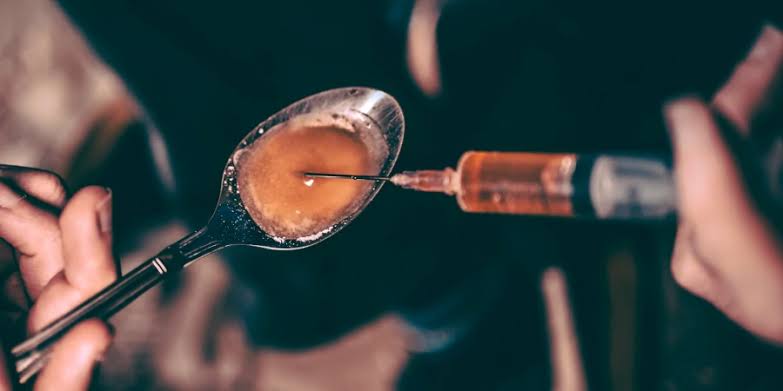
Most people picture treatment as one long blur of group therapy sessions and not much else. The reality is more structured than that, and knowing what to expect ahead of time takes a lot of the fear out of the first step.
The First Stage: Medical Detox
Heroin withdrawal is physically rough, so the first phase almost always involves medical supervision. This means monitoring vital signs, managing symptoms like nausea, muscle aches, and insomnia, and in many cases using medication assisted treatment to ease the process safely. Trying to detox alone at home is genuinely dangerous, and it’s one of the main reasons relapse happens so quickly when people attempt it without support.
Once the body has stabilized, the focus shifts from physical safety to the underlying reasons behind the addiction, which is really where the deeper work begins.
Individual and Group Therapy
Most programs built around heroin addiction treatment combine one on one counseling with group sessions. Individual therapy digs into personal history, trauma, and the specific triggers that led to use in the first place. Group sessions offer something different: the chance to hear from people who genuinely understand what active addiction feels like, without judgment or explanation needed.
Cognitive behavioral therapy is common at this stage, along with skills training for handling cravings, stress, and situations that used to lead straight to using. None of this happens overnight. It’s repetitive work, practiced again and again until new responses start to feel more automatic than the old ones.
Medication Assisted Treatment
For many people, medications like buprenorphine or methadone play a role in recovery, reducing cravings and withdrawal symptoms enough to let the therapeutic work actually stick. This isn’t replacing one addiction with another, despite what an outdated stigma still suggests. It’s a medically supported tool that dramatically improves outcomes for a large number of patients.
Aftercare and Long Term Support
Once the primary program ends, the real test begins: everyday life. Aftercare planning usually includes ongoing therapy, support group meetings, sober living arrangements if needed, and a relapse prevention plan built specifically around that person’s triggers. Skipping this step is one of the biggest predictors of relapse, so a program that takes aftercare seriously is worth paying attention to when comparing options.
Frequently Asked Questions
Is medical detox necessary for heroin addiction?
In almost all cases, yes. Withdrawal can be severe and medical supervision keeps the process safe and much more manageable.
Does medication assisted treatment mean someone stays dependent forever?
Not necessarily. Some people use it short term during stabilization, while others benefit from longer use under medical guidance. It’s an individual decision made with a doctor.
How long does a typical program last?
Primary treatment often runs 30 to 90 days, with aftercare and outpatient support continuing well beyond that.